


University of Massachusetts: A Beacon of Academic Excellence
Established in 1863, the University of Massachusetts (UMass) stands as a testament to the enduring spirit of education and the pursuit of knowledge. With its main campus in Amherst and several other campuses across the state, UMass has cemented its reputation as a leading public research university in the United States. From its humble beginnings as a land-grant institution to its current status as a hub of innovation and intellectual growth, UMass has continuously evolved, embracing change while staying true to its core values of academic excellence, diversity, and community engagement.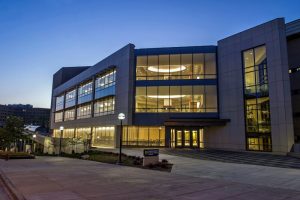 Historical Roots and Evolution
The history of University of Massachusetts is deeply intertwined with the history of Massachusetts itself. Established under the provisions of the Morrill Land-Grant Acts, which aimed to promote education in agriculture, science, and engineering, the university started as the Massachusetts Agricultural College. Its original mission was to educate students in the agricultural and mechanical arts, reflecting the practical needs of the time.
Over the decades, the institution expanded its offerings and scope. In 1931, it became the Massachusetts State College, reflecting a broader curriculum. By 1947, it had achieved university status and was renamed the University of Massachusetts. This transformation marked the beginning of a new era, as UMass began to emerge as a comprehensive university offering a wide array of disciplines, from liberal arts to sciences, engineering, business, and beyond.
Campuses and Diversity
University of Massachusetts comprises five distinct campuses located throughout the state: Amherst, Boston, Dartmouth, Lowell, and the UMass Medical School in Worcester. Each campus has its unique character, yet they are all united by a shared commitment to academic excellence and community service.
Historical Roots and Evolution
The history of University of Massachusetts is deeply intertwined with the history of Massachusetts itself. Established under the provisions of the Morrill Land-Grant Acts, which aimed to promote education in agriculture, science, and engineering, the university started as the Massachusetts Agricultural College. Its original mission was to educate students in the agricultural and mechanical arts, reflecting the practical needs of the time.
Over the decades, the institution expanded its offerings and scope. In 1931, it became the Massachusetts State College, reflecting a broader curriculum. By 1947, it had achieved university status and was renamed the University of Massachusetts. This transformation marked the beginning of a new era, as UMass began to emerge as a comprehensive university offering a wide array of disciplines, from liberal arts to sciences, engineering, business, and beyond.
Campuses and Diversity
University of Massachusetts comprises five distinct campuses located throughout the state: Amherst, Boston, Dartmouth, Lowell, and the UMass Medical School in Worcester. Each campus has its unique character, yet they are all united by a shared commitment to academic excellence and community service.
- UMass Amherst: The flagship campus, located in the picturesque Pioneer Valley, is the largest and most comprehensive of the UMass campuses. Known for its top-ranked programs in areas such as computer science, engineering, and public health, UMass Amherst attracts students and scholars from around the globe. The campus boasts state-of-the-art facilities, a vibrant student life, and a rich tradition of research excellence.
- UMass Boston: Situated on a scenic waterfront overlooking the Boston Harbor, UMass Boston is renowned for its diverse student body and strong emphasis on urban studies, public policy, and social justice. The campus serves as a beacon of opportunity for students from all walks of life, offering a supportive environment for learning and growth.
- UMass Dartmouth: Nestled on the South Coast of Massachusetts, UMass Dartmouth is known for its strong programs in marine science, engineering, and visual arts. The campus fosters a close-knit community where students collaborate with faculty on cutting-edge research projects and engage in hands-on learning experiences.
- UMass Lowell: With its roots in the industrial revolution, UMass Lowell has transformed into a modern research university known for its strengths in engineering, business, and health sciences. Located in the heart of the Merrimack Valley, the campus maintains strong ties to industry partners, providing students with valuable internship and career opportunities.
- UMass Medical School: As the only public medical school in Massachusetts, UMass Medical School is a hub of healthcare innovation and excellence. Its renowned faculty members conduct groundbreaking research in areas such as cancer, genetics, and infectious diseases, while also training the next generation of healthcare professionals.
- Research Centers of Excellence: UMass is home to numerous research centers and institutes that tackle some of the most pressing challenges facing society today. From the Center for Data Science to the Institute for Applied Life Sciences, these interdisciplinary hubs drive innovation and discovery across a wide range of fields.
- Collaborative Research Initiatives: UMass encourages collaboration both within its campuses and with external partners. The university has strong ties to industry, government agencies, and nonprofit organizations, fostering a culture of innovation and entrepreneurship. Students and faculty alike benefit from these partnerships, gaining real-world experience and making tangible contributions to their fields.
- Global Impact: UMass’s research extends far beyond the borders of Massachusetts, with projects and partnerships spanning the globe. Whether it’s addressing climate change, advancing healthcare access, or promoting social justice, UMass researchers are at the forefront of creating positive change on a global scale.
- Diversity and Inclusion: UMass prides itself on its diverse student body, welcoming individuals from all backgrounds and experiences. The university actively promotes inclusivity and equity, creating a campus environment where every student feels valued and supported.
- Community Service and Outreach: UMass students are encouraged to give back to their communities through volunteer work and service-learning opportunities. Whether it’s tutoring local schoolchildren, participating in environmental clean-up efforts, or assisting with healthcare clinics, students play an active role in making a positive impact.
- Arts and Culture: The campuses of University of Massachusetts are hubs of artistic expression, with galleries, theaters, and performance spaces showcasing the talents of students and faculty. From art exhibitions to music concerts to theater productions, there is always something happening to inspire and entertain.
- Sustainability Initiatives: UMass is a leader in sustainability, with a strong commitment to reducing its carbon footprint and promoting environmental stewardship. From green building practices to renewable energy initiatives, the university is dedicated to creating a more sustainable future for all.
- Technology and Innovation: UMass embraces the latest advances in technology to enhance learning and research. From virtual reality labs to cybersecurity programs, the university equips students with the skills and knowledge needed to thrive in a rapidly evolving world.
- Global Engagement: Recognizing the interconnected nature of today’s world, University of Massachusetts continues to expand its global reach through international partnerships and study abroad programs. These initiatives provide students with invaluable cross-cultural experiences and a broader perspective on global issues.